
Grief Without Blame
All the Bright PlacesThis thread follows the novel’s effort to distinguish mourning from responsibility and to resist simple explanations for both deaths.
increasing Bearing strength in each event
 decreasing
Bearing strength in each eventdecreasingThe Survivor’s Guilt

The Survivor’s Guilt
A route replayed
Violet Markey believes she bears responsibility for Eleanor Markey’s death because she suggested the route over A Street Bridge.
An impossible counterfactual
She repeatedly imagines how another choice might have changed the crash. The novel offers no evidence that she could have controlled the icy road or the outcome.
Her guilt shows how survivors search for agency in events that may never have been controllable.
A Rescuer’s Burden
A Rescuer’s Burden
Public praise
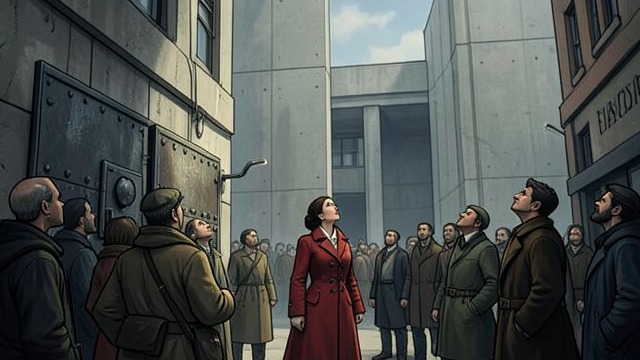
Others call Violet a hero for saving Theodore Finch, a version of events that conceals that Finch helped her down first.
A false equation
The rescue does not mean Violet can save Finch from every later crisis. The public story risks turning her into a responsible caretaker rather than a teenager with her own needs.
The novel challenges the belief that love or one heroic moment grants control over another person’s survival.
The Secret Kept Too Long
The Secret Kept Too Long
Care and secrecy collide
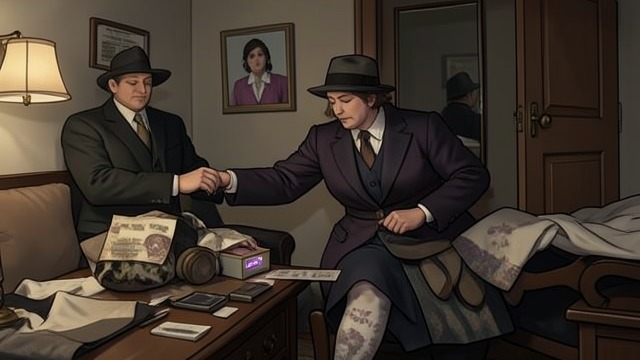
Violet Markey hides her continued relationship with Theodore Finch from her parents after they forbid contact. Finch, in turn, hides his expulsion and worsening condition.
A costly disclosure
When Violet learns about the pills and the closet retreat, she tells her parents despite the risk of betraying Finch’s confidence. She acts from fear that he needs help beyond her reach.
The decision carries pain but does not make her responsible for what follows.
The Question After Death
The Question After Death
Searching for a cause
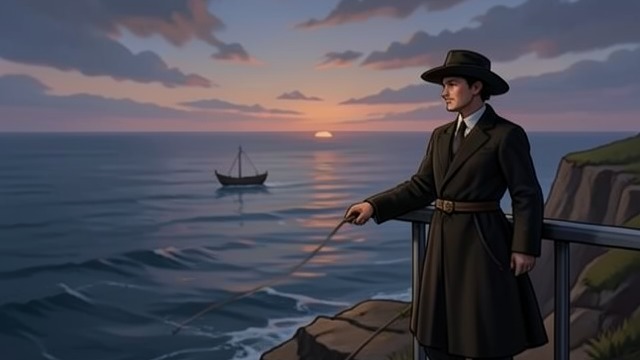
Violet wonders whether Theodore Finch intended to die or was seeking the bottom of Blue Hole. His family calls the death an accident.
Limits of hindsight
The available signs can be read in more than one way. Violet’s love and knowledge of Finch do not let her reconstruct his final thoughts with certainty.
The novel rejects a tidy explanation that would make the death emotionally manageable.
Responsibility Returned

Responsibility Returned
A counselor’s distinction
Mr. Embry tells Violet that she cannot be responsible for everyone, including Eleanor Markey and Theodore Finch. He acknowledges the limits of what adults can know when a person hides distress.
Grief without self-punishment
Violet remains angry and sad, but begins to hear that another person’s death is not proof of her failure. Her later conversation with her parents further loosens the burden.
The distinction does not remove grief; it prevents grief from becoming a false verdict against herself.
Early January
January, after Violet’s tower rescue
February through March
May 3, at Finch’s funeral
May, during counseling
